





2 Stroke Hedge Trimmer
-
High Power-to-Weight Architecture: Bypasses heavy camshafts and oil pumps to deliver massive shearing horsepower in an ultra-lightweight frame.
-
Instantaneous Blade Acceleration: High-velocity two-stroke combustion delivers immediate throttle response to prevent blade binding in thick foliage.
-
360° Multi-Angle Shearing: Continuous fuel-oil mist lubrication allows safe, uninterrupted cutting at extreme vertical or overhead angles.
-
Bulk Wholesale Sourcing: Expand your commercial tool inventory with rugged, high-RPM petrol cutters. Contact us today to discuss custom OEM engine options and factory-direct volume discounts.
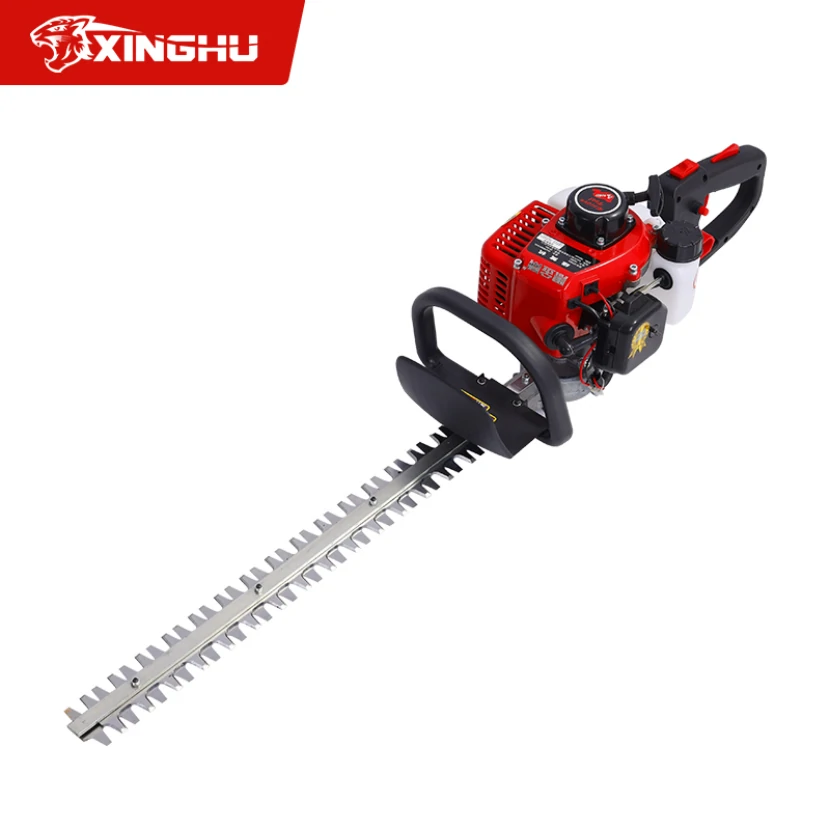
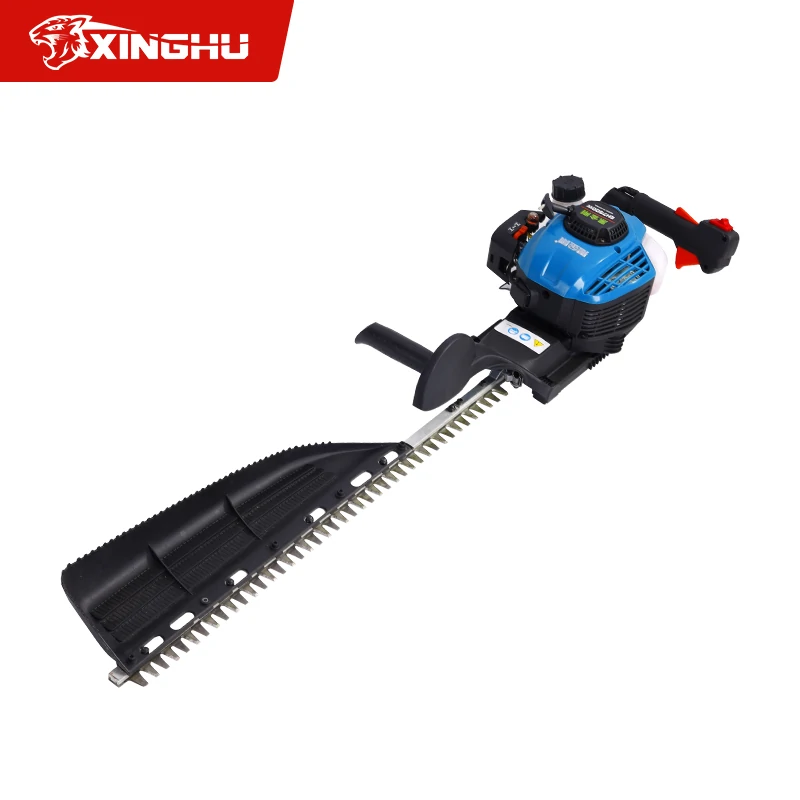
2 stroke hedge trimmer is a petrol-powered landscaping tool designed to shear dense foliage. Driven by a compact internal combustion engine, it executes a complete power cycle across just two movements of the piston: upward compression and downward power. Consequently, it combines the intake, transfer, and exhaust cycles simultaneously through specialized cylinder ports rather than heavy mechanical valves.
The internal mechanics drive a specialized dual-reciprocating blade assembly:
-
Power on Every Turn: Unlike four-stroke engines that ignite once every two rotations, a two-stroke engine fires a power stroke on every single revolution. Therefore, it delivers double the power stroke frequency.
-
Pre-Mixed Fuel Lubrication: The engine uses a precise mixture of unleaded gasoline and specialized two-stroke oil. As this fuel vapor passes through the crankcase, the suspended oil particles coat the needle bearings instantly.
-
Mechanical Cam Connection: The rotating crankshaft connects directly to a heavy-duty eccentric cam gear. This gear converts rotational kinetic energy into smooth, high-speed linear motion to drive the steel cutting blades.
Therefore, this stripped-down mechanical layout creates an exceptionally lightweight power plant. It drives the reciprocating shear teeth at extreme speeds. Consequently, it makes the professional hedge trimmer highly effective at slicing through tough hardwood twigs cleanly without tearing the delicate cambium bark.
Key Benefits of 2 Stroke Hedge Trimmers
Exceptional Power-to-Weight Architecture
Because two-stroke engines do not require heavy overhead camshafts, timing chains, or separate oil sumps, their structural weight remains low. This minimal deadweight gives operators access to massive shearing horsepower without bearing a heavy physical burden. Therefore, it drastically reduces shoulder fatigue over long shifts.
Instantaneous Blade Acceleration
When trimming dense hedges, operators must navigate varying branch thicknesses continuously. Fortunately, a two-stroke engine responds immediately to throttle inputs. It revvs up to peak operational RPMs instantly. Consequently, this rapid acceleration prevents blade binding when cutting thick secondary branches.
Unlimited Multi-Angle Operational Capability
Traditional four-stroke engines with standard oil pools can experience oil starvation if tilted sideways or upside down for too long. However, a two-stroke engine is lubricated continuously by fuel-oil vapor suspended in the intake stream. Therefore, operators can tilt a gasoline hedge trimmer at extreme angles to execute precise vertical and overhead shaping safely.
Streamlined and Highly Durable Construction
Fewer moving parts means fewer components can fail under heavy field abuse. Two-stroke engines feature a highly resilient, simplified structural layout. This configuration withstands intense operating vibrations and high thermal strain. As a result, these tools prove exceptionally reliable in remote regions far from advanced service centers.
Highly Competitive Acquisition Costs
The mechanical simplicity of the two-stroke platform results in lower manufacturing costs compared to complex multi-valve engines. For international procurement managers looking to scale large labor forces on a fixed budget, this efficiency is crucial. Therefore, two-stroke trimmers offer an incredibly cost-effective fleet scaling option.
Commercial Applications
Meticulous Topiary and Ornamental Sculpting
High-end botanical gardens and commercial estates require immaculate hedge aesthetics. The high-velocity blade movement of a two-stroke trimmer allows professional landscapers to execute razor-sharp geometric lines and smooth curves easily. Therefore, it ensures clean cuts that help the plant heal quickly without unsightly browning.
Urban Highway Median Clearing
Public works departments manage expansive highway medians packed with dense, encroaching shrubs. A heavy-duty two-stroke trimmer provides the mobile power required to prune back overgrowth rapidly. Because these machines operate completely independently of electrical grids, crews move along roadside barriers quickly without dragging hazardous extension cords.
Commercial Orchard Perimeter Management
Fruit farms and agricultural vineyards utilize perimeter hedges as natural windbreaks to protect sensitive cash crops. Maintenance crews deploy high-displacement two-stroke trimmers to manage these perimeter walls annually. The aggressive cutting action slices through overgrown wild briars and thick secondary branches efficiently. Consequently, it keeps pathways clear for automated harvesting tractors.
Technical Specifications and Blade Performance Matrix
Selecting the proper two-stroke trimmer configuration requires matching the foliage type with the ergonomic needs of your distribution market:
| Engine Displacement Range | Average Unit Weight | Standard Blade Length | Target Vegetation Profile | Primary Operational Sector |
| 21.7 CC – 23 CC | 4.8 kg – 5.2 kg | 24 Inch (600 mm) | Soft evergreen leaves, thin decorative privacy hedges. | Residential networks, boutique landscape crews. |
| 25.4 CC Class | 5.4 kg – 5.8 kg | 28 Inch (700 mm) | Thick continuous boxwood, dense overgrown privet. | Commercial property maintenance, rental hubs. |
| 27.2 CC+ Industrial | 6.0 kg – 6.5 kg | 30 Inch (750 mm) | Woody wild brushwood, thick agricultural briar patches. | Industrial land reclamation, public works fleets. |
Blade Metallurgy and Gear Housing Standards
To deliver pristine shearing across variable properties, professional two-stroke lines utilize high-grade cutting components:
Dual-Reciprocating Hardened Steel Blades
Our cutting assemblies utilize dual-acting blades stamped from premium high-carbon steel. Both blades move simultaneously in opposing linear directions. Consequently, this dual action balances internal mechanical forces, reduces machine vibration, and delivers twice the cutting opportunities per stroke.
Laser-Cut Precision Teeth
The individual cutting teeth feature laser-cut, diamond-ground edges. This precision manufacturing profile ensures lasting sharpness and clean shearing action, reducing engine drag during intensive commercial operations.
Why Choose Xinghu as Your Two Stroke Hedge Trimmer Factory
Our production facility utilizes high-precision die-casting technology to manufacture chrome-plated engine cylinders. This advanced surface treatment provides excellent wear resistance and thermal dissipation. Consequently, it ensures our landscaping machines for sale maintain optimal compression under intense workloads.
As a dedicated manufacturing partner, we also provide comprehensive OEM and ODM support for volume container orders. For instance, we can modify engine displacements, optimize handle designs, and customize color schemes. Furthermore, we supply private-label packaging to ensure your inventory stands out in your regional market.
Frequently Asked Questions
What happens if an operator runs a two-stroke hedge trimmer on pure gasoline?
Running a two-stroke engine on pure gasoline without mixing two-stroke oil will cause immediate engine failure. Without the suspended oil particles to lubricate the moving parts, intense friction will score the cylinder walls. Consequently, it will seize the piston within minutes of operation.
Why do two-stroke hedge trimmers require specialized air filters?
Trimming dry, dense foliage stirs up massive clouds of fine wood dust and organic fibers. Therefore, our trimmers utilize multi-stage foam and felt filtration systems to trap fine debris, protecting the carburetor and maintaining peak engine power.
How often should the mechanical gear case be lubricated?
The eccentric cam gear experiences intense friction and high heat during operation. Consequently, maintenance crews should inject a high-temperature, lithium-based grease into the gear housing plug every 20 hours of field operation to prevent premature gear wear.