

Steel vs. Aluminum Deck Lawn Mowers: Which Material Makes More Sense for Commercial Buyers?
October 14, 2026
Steel and aluminum deck lawn mowers serve different purchasing priorities, and the right choice depends on operating conditions, service life, maintenance costs, and total ownership cost. Steel decks often appeal to buyers who prioritize initial affordability, impact resistance, and straightforward repairs. Aluminum decks offer corrosion resistance and can reduce deck weight, which may help operators handle equipment more easily. For distributors, equipment dealers, and fleet managers, the decision should reflect the intended market, including commercial landscaping and residential lawn mowing. Comparing deck construction, operating requirements, and lifecycle costs helps buyers select a lawn mower that fits customer needs rather than relying on material labels alone.
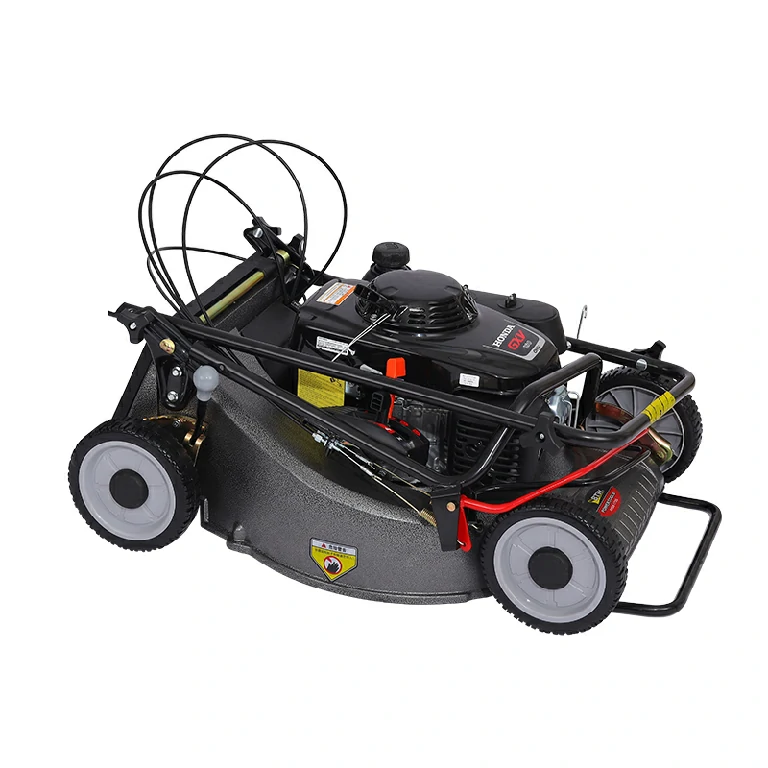
1. How Do Steel and Aluminum Mower Decks Differ in Construction?
The mower deck houses the cutting blade and helps direct airflow, grass clippings, and debris. Its material affects weight, corrosion behavior, structural design, and repair options. However, the material alone does not determine overall durability. Sheet thickness, reinforcement, deck shape, welding quality, and manufacturing tolerances also matter.
Steel Decks: Practical Strength and Repairability
Steel decks remain common across residential and commercial mower ranges. Manufacturers can form steel into different deck profiles and reinforce high-stress areas with ribs, brackets, and protective edges.
A properly designed steel deck can withstand routine contact with grass, soil, and small debris. Its strength also supports designs for demanding mowing conditions. However, steel can rust when protective coatings become damaged and moisture reaches exposed metal.
For equipment distributors, steel models may suit customers who prioritize purchase price and familiar maintenance procedures. Local repair shops can often address certain steel deck problems through established metalworking processes. Repairs still depend on the damage, deck design, and manufacturer guidance.
Aluminum Decks: Lower Weight and Corrosion Resistance
Aluminum decks resist corrosion naturally because aluminum forms a protective oxide layer. This property can benefit equipment used in humid climates or exposed to frequent moisture. It does not make aluminum immune to corrosion, especially around damaged surfaces or incompatible metal contacts.
Aluminum also weighs less than steel for comparable volumes. Manufacturers can use this property to reduce overall mower weight or allocate weight elsewhere in the machine. Actual weight savings depend on deck thickness, reinforcement, and the mower’s complete design.
An aluminum deck may appeal to buyers who value easier equipment handling and corrosion resistance. However, purchasers should evaluate structural design carefully. Aluminum alloys vary in strength, and certain impact damage may require specialized repair or deck replacement.
2. Which Deck Material Performs Better in Different Mowing Conditions?
The operating environment often matters more than the material specification. Buyers should consider terrain, grass type, climate, mowing frequency, and storage conditions before selecting a deck.
Commercial Lawn Care and Frequent Use
A commercial lawn mower may operate for several hours each working day. Repeated blade engagement, transport, cleaning, and exposure to debris place consistent demands on the cutting deck.
For these applications, deck construction deserves as much attention as material selection. A fabricated steel deck uses multiple formed sections welded together. This approach allows manufacturers to add reinforcement in high-stress areas. A stamped steel deck typically uses a formed sheet, which can offer a different balance of cost, weight, and airflow.
Aluminum can also serve commercial applications, particularly when weight and corrosion resistance matter. However, buyers should confirm the manufacturer’s intended duty cycle and service support. Not every aluminum deck is designed for the same workload as a heavy-duty commercial steel deck.
For example, a landscaping contractor maintaining several office parks each day may prioritize reinforced construction, replaceable components, and readily available service parts. A contractor maintaining smaller residential properties may place more value on maneuverability and reduced transport weight.
Residential Lawn Mowing and Smaller Properties
Residential lawn mowing usually involves fewer operating hours than commercial landscaping. Many homeowners mow once a week during the growing season, although local weather and grass growth affect the schedule.
A steel deck can provide practical value for homeowners with limited budgets and relatively straightforward mowing requirements. Routine cleaning and proper storage help protect its finish. Buyers should also check whether the deck has adequate protection around discharge openings and other exposed edges.
An aluminum deck may suit homeowners who regularly move equipment between storage areas or mow in damp conditions. Reduced deck weight can make some walk-behind models easier to maneuver. Nevertheless, total mower weight also depends on the engine, battery, drive system, and chassis.
Consider two homeowners with similar lawn sizes. One stores a mower in a dry garage and maintains it after every use. The other leaves equipment in a humid shed with wet grass clippings underneath. Their maintenance habits may create a larger difference in service life than the initial material choice.
Wet Grass, Humidity, and Coastal Environments
Moisture affects both deck materials, but the failure mechanisms differ.
Steel can corrode when moisture reaches unprotected metal. Grass clippings often retain water beneath the deck, especially around seams, discharge areas, and damaged coatings. Regular cleaning and suitable storage reduce this exposure.
Aluminum resists ordinary atmospheric corrosion, making it attractive in humid regions. However, corrosion can still occur under certain conditions. Salt deposits, unsuitable fasteners, and contact with dissimilar metals can create additional risks.
Buyers serving coastal markets should ask manufacturers about protective finishes, fastener materials, and maintenance requirements. A corrosion-resistant deck still needs inspection and cleaning.
3. How Do Deck Material, Weight, and Cut Quality Affect Performance?
Deck material influences equipment handling and maintenance, but it does not independently determine mowing quality. Blade design, deck geometry, airflow, cutting height, and power output remain essential factors.
Weight and Maneuverability
A lighter mower can be easier to turn, transport, and handle around trees or narrow garden paths. This benefit matters most for walk-behind equipment and applications that require frequent changes in direction.
Aluminum’s lower density gives manufacturers more flexibility when managing equipment weight. However, a thinner or lighter component is not automatically stronger or more durable. The finished design must provide adequate rigidity around blade openings, mounting points, and other loaded areas.
Steel adds weight, which may affect manual handling. Yet additional mass can also contribute to a stable feel in certain machine designs. Buyers should assess the complete mower rather than treating lower weight as an automatic advantage.
When comparing specifications, review:
- Overall machine weight, including the battery or fuel system.
- Deck width and cutting capacity.
- Wheel design and drive assistance.
- Ease of lifting, loading, and transportation.
- Operator comfort during extended use.
For fleet purchases, even small handling differences can affect daily routines. However, productivity depends on cutting width, maneuverability, service intervals, and operator experience as well.
Cut Quality and Grass Discharge
A lawn mower’s cutting performance depends heavily on deck shape and airflow. The deck must move grass toward the blade and manage clippings without excessive blockage.
Steel and aluminum can both support effective cutting systems. A well-designed steel deck may produce cleaner results than a poorly designed aluminum deck. Material selection should therefore follow an evaluation of the entire cutting assembly.
Buyers should examine whether the mower supports side discharge, mulching, or grass collection. These functions affect blade configuration, internal deck shape, and maintenance requirements.
For example, a property maintenance company that frequently collects clippings needs consistent airflow and efficient discharge. A homeowner who prefers mulching may prioritize compatible blades and a deck design that distributes finely cut grass evenly.
Wet grass creates additional challenges for either material. Clippings may accumulate under the deck and restrict airflow. Operators should follow the manufacturer’s cleaning instructions and avoid removing debris while blades or other moving parts remain active.
Impact Resistance and Structural Design
Steel generally offers useful ductility and can deform under impact without immediately fracturing. Aluminum alloys behave differently depending on their composition, thickness, and heat treatment. Certain aluminum structures can crack under concentrated impacts.
This difference matters when machines encounter curbs, stones, tree roots, or hidden obstacles. Neither material makes a mower safe to operate over unsuitable terrain. Operators should inspect the working area and follow the equipment manufacturer’s restrictions.
Construction method also matters. Fabricated steel decks can use thicker sections and targeted reinforcement. Stamped designs may reduce manufacturing complexity and support smooth internal contours. Aluminum decks require their own design considerations around stress concentration, casting quality, and mounting points.
A sensible purchasing assessment checks material and construction together. Request information about deck thickness, reinforcement, impact testing, and warranty coverage where available.
4. What Should Buyers Compare Before Purchasing Steel or Aluminum Deck Mowers?
For distributors, importers, and landscaping equipment businesses, the purchasing decision involves more than the retail price. Product positioning, service requirements, replacement parts, and customer expectations can affect long-term profitability.
Table 1. Steel and aluminum mower deck comparison for equipment purchasing decisions
| Purchasing factor | Steel deck | Aluminum deck |
|---|---|---|
| Initial cost | Often lower, depending on construction | Often higher, depending on design |
| Corrosion resistance | Depends on coating and maintenance | Naturally resists ordinary atmospheric corrosion |
| Impact response | May dent or deform under impact | May crack under certain concentrated impacts |
| Weight | Generally heavier for comparable designs | Generally lighter for comparable designs |
| Repair options | Welding and fabrication are widely available | Repairs may require specialized skills and procedures |
| Manufacturing methods | Commonly stamped or fabricated | Commonly cast or formed |
| Commercial suitability | Strong option when designed for frequent use | Suitable when design and duty rating meet operating demands |
| Maintenance priorities | Coating damage, rust, debris buildup | Cracks, mounting points, fasteners, debris buildup |
| Replacement planning | Check parts availability and repair options | Check deck availability and replacement cost |
| Best selection method | Assess construction, coating, and service needs | Assess alloy design, structural integrity, and service needs |
These are general comparisons, not guarantees for every model. Actual performance depends on deck engineering, operating conditions, maintenance, and manufacturer specifications.
Calculate Total Cost of Ownership
A lower purchase price does not always produce the lowest operating cost. Buyers should compare the initial investment with expected maintenance, replacement parts, downtime, and service life.
A useful framework is:
Total ownership cost = purchase price + maintenance + repairs + replacement parts + downtime costs − resale value
For commercial fleets, downtime can be particularly important. A mower awaiting a replacement deck may prevent a crew from completing scheduled work. Buyers should confirm local parts availability before ordering a large quantity.
Aluminum may justify a higher initial price when corrosion resistance and lower weight address specific operating needs. Steel may provide better value when customers prioritize affordable equipment and accessible repair services.
Avoid assigning a fixed service life to either material without model-specific evidence. Ask suppliers for warranty terms, service records, and details of the conditions covered.
Check Supplier Documentation and Parts Support
A reliable product comparison should include technical documentation. Material names alone provide limited information about the mower’s construction.
Request the following details before placing a bulk order:
- Deck material, thickness, and construction method.
- Corrosion protection and maintenance instructions.
- Blade, spindle, and deck replacement part numbers.
- Warranty coverage for structural damage and corrosion.
- Spare-parts lead times and authorized service arrangements.
- Applicable product safety documentation and operating manuals.
These checks help distributors evaluate product consistency and prepare accurate information for their own customers. They also reduce the risk of selecting equipment that looks suitable but lacks practical after-sales support.
For buyers evaluating an aluminum lawn mower, the next step is to compare the complete specification against the intended workload, climate, and service network.
If you are sourcing mower models for distribution or commercial use, contact Xinghu to discuss your application requirements and product specifications.
5. How Should Businesses Choose the Right Lawn Mower for Their Target Market?
The best deck material depends on the customer segment and the conditions in which the equipment will operate. Distributors should match product specifications to real purchasing priorities instead of promoting one material as universally better.
For Budget-Conscious Residential Customers
Steel deck models can suit customers who want a practical initial investment and have access to routine maintenance. A well-protected deck, accessible spare parts, and clear cleaning instructions help support long-term ownership.
For this segment, buyers should focus on ease of operation, cutting performance, warranty coverage, and the availability of replacement blades. The material remains important, but it is one part of the complete product proposition.
For Commercial Landscaping Contractors
Commercial buyers typically evaluate productivity, durability, service access, and operating costs. A fabricated steel deck may suit demanding workloads when its structure and duty rating meet the application.
Aluminum remains a viable option when the model provides suitable structural performance and the operator benefits from lower weight or improved corrosion resistance. Fleet managers should compare real specifications rather than assume that material alone indicates commercial capability.
For Importers and Equipment Distributors
A distributor’s priorities often extend beyond machine performance. Product consistency, documentation, spare parts, warranty arrangements, and supplier communication all affect the customer experience.
Before listing a lawn mower for sale, compare several models across the same operating category. Confirm the actual deck material, cutting width, power system, intended use, and service requirements. Avoid comparing a lightweight residential mower directly with a heavy-duty commercial model solely because both use aluminum or steel.
A focused product range can serve different customer groups more effectively than a broad catalog with unclear differences. For example, a distributor might offer a cost-conscious residential model, a maneuverable option for smaller properties, and a reinforced commercial model for professional landscaping.
The key is to define each model’s purpose and communicate its limitations accurately.
Frequently Asked Questions
Is a steel or aluminum deck better for a commercial lawn mower?
Neither material is automatically better for every commercial application. Steel offers widely available repair options and can support reinforced construction. Aluminum provides corrosion resistance and lower material weight. Compare deck design, duty rating, warranty terms, and parts availability before selecting a model.
Does an aluminum deck last longer than a steel deck?
Not necessarily. Aluminum resists ordinary atmospheric corrosion, while steel requires protection against rust. However, impact damage, structural design, maintenance, and operating conditions also affect service life. Model-specific warranty and durability information offers a stronger basis for comparison than material alone.
Are aluminum deck lawn mowers more expensive?
Aluminum models often carry a higher initial price, although the difference varies by manufacturer and design. Buyers should compare the full machine specification and total ownership cost. A higher purchase price may be justified when weight reduction or corrosion resistance offers measurable operational benefits.
Can a damaged steel mower deck be repaired?
Some steel deck damage can be repaired through suitable metalworking processes. The decision depends on the location and severity of the damage, structural integrity, and manufacturer guidance. Damage around blade openings, mounting points, or other critical areas requires careful professional assessment.
Does deck material affect lawn cutting quality?
Deck material has an indirect role, but geometry and airflow usually matter more. Blade sharpness, cutting height, discharge design, and machine power also affect results. Buyers should assess the complete cutting system instead of choosing a mower based only on deck material.
What should importers check when sourcing a lawn mower for sale?
Importers should verify the deck material, construction method, operating specifications, warranty, spare-parts availability, and relevant safety documentation. They should also confirm that the model suits the intended market and local operating conditions. Clear technical information helps distributors position products accurately and manage after-sales expectations.
Which deck material requires less maintenance?
Aluminum generally requires less attention to rust prevention, but it still needs regular cleaning and inspection. Steel decks need timely attention to damaged coatings and corrosion. Both types require checks for cracks, loose fasteners, blade damage, and accumulated grass clippings.
Conclusion
Steel and aluminum deck lawn mowers address different purchasing priorities. Steel can offer accessible repairs, flexible construction options, and lower initial costs. Aluminum provides natural corrosion resistance and can reduce equipment weight. Neither material guarantees long service life or better cutting results without suitable engineering and maintenance. Commercial buyers should assess operating conditions, deck construction, service support, and total ownership cost before selecting a model. Xinghu supports equipment buyers seeking practical product solutions for their target markets, with a focus on matching mower specifications to application requirements and purchasing needs.
References
1. Exmark: Welded Cutting Decks Manufacturer information on fabricated steel deck construction and its relationship to structural strength and durability.
2. Exmark: Durability Features Details on fabricated steel cutting decks and construction features used in commercial mowing equipment.
3. Husqvarna: Riding Mower Buying Guide Guidance on evaluating mower features, deck construction, and equipment requirements.
4. Bobcat: Mower Cutting Deck Differences Manufacturer information on cutting deck design, construction, and maintenance considerations.