

What Defines a Reliable Commercial Leaf Blower for Landscape Contractors and Municipal Fleets?
August 27, 2026
A quality leaf blower delivers sustained airflow velocity, high volumetric output, fuel or battery efficiency, and structural durability under heavy daily operation. Landscape contractors, municipal park departments, and equipment distributors evaluate professional machines based on CFM output, airspeed, engine or motor longevity, and operator comfort. Selecting the right commercial leaf blower prevents premature equipment failure, minimizes downtime, and reduces labor hours on large turf maintenance projects. This article examines the core engineering parameters, power classifications, and structural features that separate professional-grade clearing units from residential equipment.
Contractors often manage seasonal debris clearing alongside turf maintenance tasks such as residential lawn mowing across suburban properties. Professional clearing equipment must handle wet autumn leaves, heavy grass clippings, and dense yard debris without losing performance consistency. Equipment buyers evaluate manufacturers carefully to secure reliable inventory that satisfies commercial landscaping demands.
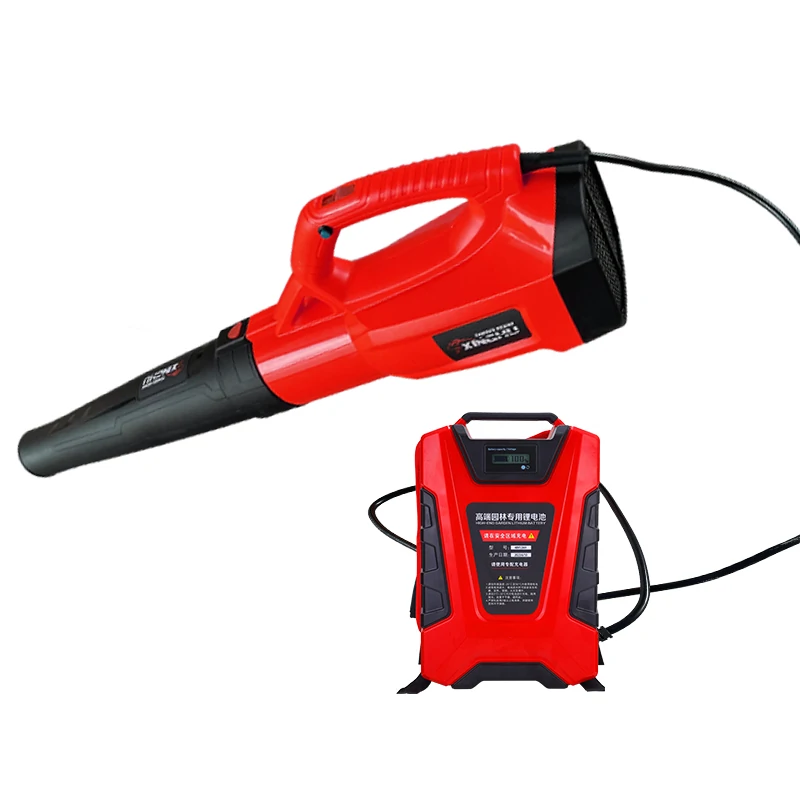
Evaluating Air Volume and Airspeed Performance Specifications
Air volume measured in cubic feet per minute and airspeed measured in miles per hour determine clearing efficiency on job sites. High cubic feet per minute ratings move large piles of heavy leaves efficiently across open turf areas. High airspeed dislodges wet, compacted debris stuck to pavement, curbs, and fence lines. Professional contractors balance both metrics because high air volume alone lacks the velocity to move stubborn material, while extreme velocity without volume covers too narrow a path.
Manufacturers design professional turbine housings and fan impellers to optimize airflow dynamics and reduce turbulence losses. Balanced impellers reduce vibration levels, protecting internal bearings and housing structures during extended operation cycles. Field operators notice less hand fatigue when equipment manufacturers engineer smooth airflow transitions from the volute intake to the discharge tube.
Comparing Gasoline Engines and Battery Power Systems for Commercial Fleets
Gasoline engines provide continuous operation and rapid refueling on remote job sites where electrical charging infrastructure is unavailable. Commercial two-stroke and four-stroke engines deliver high torque outputs required for backpack units and heavy wheeled blowers. Equipment operators check engine displacement ratings, fuel tank capacities, and emission compliance standards before purchasing gasoline utility fleets.
Battery-powered leaf blowers gain traction in urban municipalities and noise-sensitive residential zones due to zero tailpipe emissions and low decibel output. Modern lithium-ion battery packs supply stable voltage levels under heavy load, though runtime limits require contractors to carry backup battery packs and fast-charging stations on service trucks. Maintenance managers weigh initial battery investment costs against long-term fuel and engine tune-up savings.
| Blower Power Type | Primary Application | Advantage | Limitation |
| Gasoline Two-Stroke | Large-scale municipal cleanups | High power-to-weight ratio | Exhaust emissions and noise |
| Gasoline Four-Stroke | General landscaping fleets | Lower fuel consumption | Heavier engine weight |
| Battery Lithium-Ion | Urban parks and schools | Quiet operation and zero emissions | Higher upfront battery costs |
Ergonomic Design and Operator Fatigue Reduction Features
Operator comfort directly influences daily productivity during multi-hour property maintenance shifts. Backpack leaf blowers require thick shoulder harnesses, molded back pads, and hip belt systems to distribute equipment weight evenly across the operator’s torso. Poorly balanced units cause lower back strain and shoulder fatigue over extended work periods.
Throttle controls mounted on adjustable tubes allow operators to maintain steady engine speeds without hand cramps. Anti-vibration dampening mounts isolate engine vibrations from the operator frame. These ergonomic engineering details keep landscaping crews productive throughout demanding autumn cleanup seasons.
Structural Durability and Maintenance Requirements in Professional Fleets
Commercial equipment operates in harsh environments exposed to airborne dust, moisture, and abrasive debris particles. High-grade polymer housings resist impact damage and UV degradation during daily trailer transport. Reinforced fan blades prevent catastrophic failure if small stones enter the intake volute during cleanup operations.
Routine maintenance schedules protect capital investments by preventing unexpected field breakdowns. Technicians inspect air filtration systems daily, clean spark arrestors, and check fuel lines for cracking. Durable equipment minimizes repair shop visits and ensures steady machine availability for daily turf maintenance operations. Similar mechanical reliability applies when contractors operate walk behind lawn mowers across large commercial properties.
Need a reliable commercial blower supply for your distribution network or contracting fleet? Contact our engineering team today to discuss your technical specifications and volume requirements.
Tubing Configurations and Nozzle Design Variations
Discharge tube geometry alters air delivery patterns to suit specific clearing tasks. Round nozzles concentrate high-velocity air for dislodging wet leaves and packed gravel from walkways. Flattened spreader nozzles project a wide, shallow air stream that sweeps broad turf areas efficiently in fewer passes.
Telescoping tubes accommodate different operator heights and storage constraints inside service vehicle compartments. Secure locking collars prevent tubes from separating during high-pressure operation. Contractors select tube configurations based on regional debris types and prevailing property layouts. Fleet managers stocking commercial blowers often bundle inventory alongside riding lawn mower models to supply comprehensive landscape contractor packages.
Frequently Asked Questions About Commercial Leaf Blowers
What CFM and airspeed specifications indicate a professional leaf blower?
Professional backpack and wheeled blowers generally deliver air volumes exceeding seven hundred cubic feet per minute and airspeeds above two hundred miles per hour. Exact specifications depend on whether the job requires moving heavy wet leaves or sweeping dry pavement.
How do backpack blowers compare to handheld units for commercial use?
Backpack blowers distribute weight across the operator’s back and shoulders, supporting larger engines and higher air volumes for extended daily operation. Handheld units suit quick cleanup tasks around residential flower beds and walkways but cause arm fatigue during heavy commercial property maintenance.
Why does engine maintenance matter more for commercial two-stroke blowers?
Commercial two-stroke engines rely on precise fuel and oil mixing ratios to lubricate internal piston walls and bearings. Incorrect fuel ratios cause carbon buildup, overheating, and premature engine seizure under heavy professional workloads.
About Xinghu
Xinghu manufactures robust outdoor power equipment, commercial leaf blowers, and specialized landscaping machinery for global distribution partners and municipal contractors. Engineering teams focus on durable materials, efficient combustion systems, and reliable airflow performance to support demanding turf maintenance operations. Xinghu collaborates with international equipment distributors to supply dependable machinery designed for continuous commercial use.
References
World Health Organization. Occupational Exposure to Noise from Hand-Held Power Tools. Available at: https://www.who.int/
United States Environmental Protection Agency. Small Spark-Ignition Engines: Standards and Information. Available at: https://www.epa.gov/