

Types of Commercial Lawn Mowers: Comprehensive Industry Guide
July 25, 2026
Commercial lawn mowers serve as core tools for municipal greening, park maintenance, and large landscape projects. These machines deliver heavy-duty performance, outstanding durability, and high working efficiency. Unlike residential equipment, commercial mowers support continuous operation under demanding conditions. Global buyers require precise knowledge of mower classifications to make informed purchasing decisions.
Different maintenance tasks demand specific equipment configurations. Commercial properties range from flat sports fields to steep, obstructed hillsides. Understanding machine structures, power options, and cutting mechanisms helps procurement teams select optimal fleet models. This guide outlines every major category of commercial mowing machinery.
Classification by Operation Mode
The operation mode determines operator efficiency, comfort, and maneuvering control. Industry standards categorize mowers into walk-behind, stand-on, and ride-on designs. Each configuration offers distinct operational benefits for specific turf management applications.
Walk-Behind Commercial Lawn Mowers
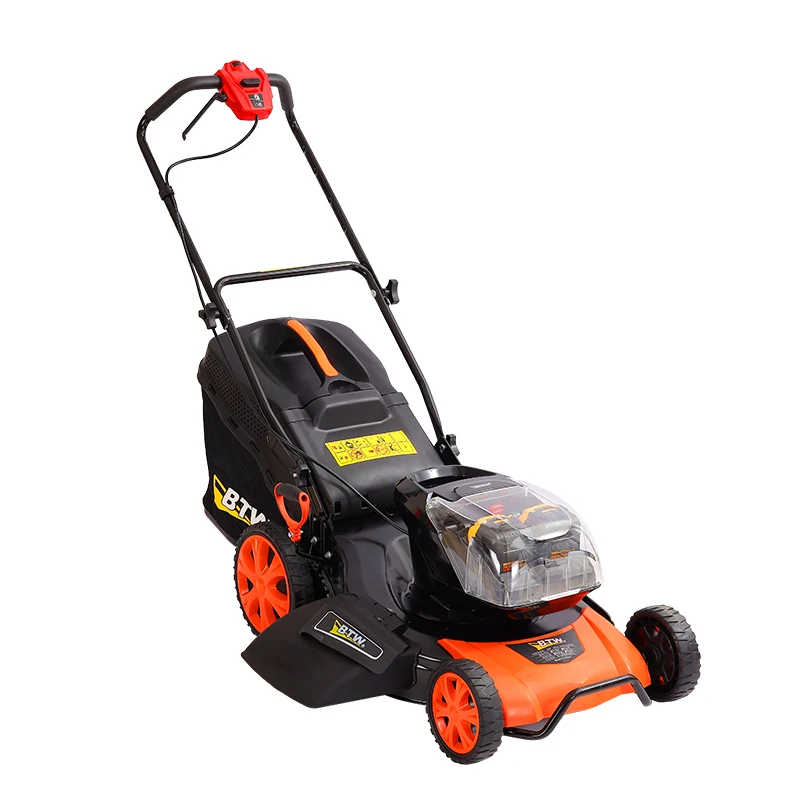
Walk-behind mowers account for approximately 28.5% of the global commercial market. These units include push and self-propelled models designed for smaller acreage or detailed work. Operators frequently utilize walk behind mowers for precise trimming along fence lines, walls, and narrow garden beds.
- Compact Design: Their smaller footprint simplifies transport in standard utility trailers.
- Agile Handling: Operators easily maneuver around tight corners and sensitive flora.
- Cost Efficiency: Lower upfront acquisition costs reduce initial fleet investments.
- Low Maintenance: Simple mechanical layouts reduce overall repair downtime.
Manual operation increases physical fatigue on expansive properties. Consequently, grounds crews deploy walk-behind units primarily for detailed edging and tight spaces.
Stand-On Commercial Lawn Mowers
Stand-on mowers bridge the gap between walk-behind flexibility and ride-on speed. The operator stands on a suspended rear platform while driving the unit. This elevated stance provides an excellent field of vision over surrounding obstacles.
- Quick Mounting: Operators can step off rapidly to clear debris from the lawn.
- Compact Footprint: Stand-on units occupy less trailer space than full ride-on tractors.
- Enhanced Safety: Drivers can easily step off if the machine encounters unstable slope conditions.
- Operator Comfort: Ergonomic platform suspension absorbs ground impacts during long shifts.
Landscape contractors prefer stand-on units for properties with dense tree groupings and complex obstacles. They offer excellent productivity while maintaining high maneuverability.
Ride-On Commercial Lawn Tractors
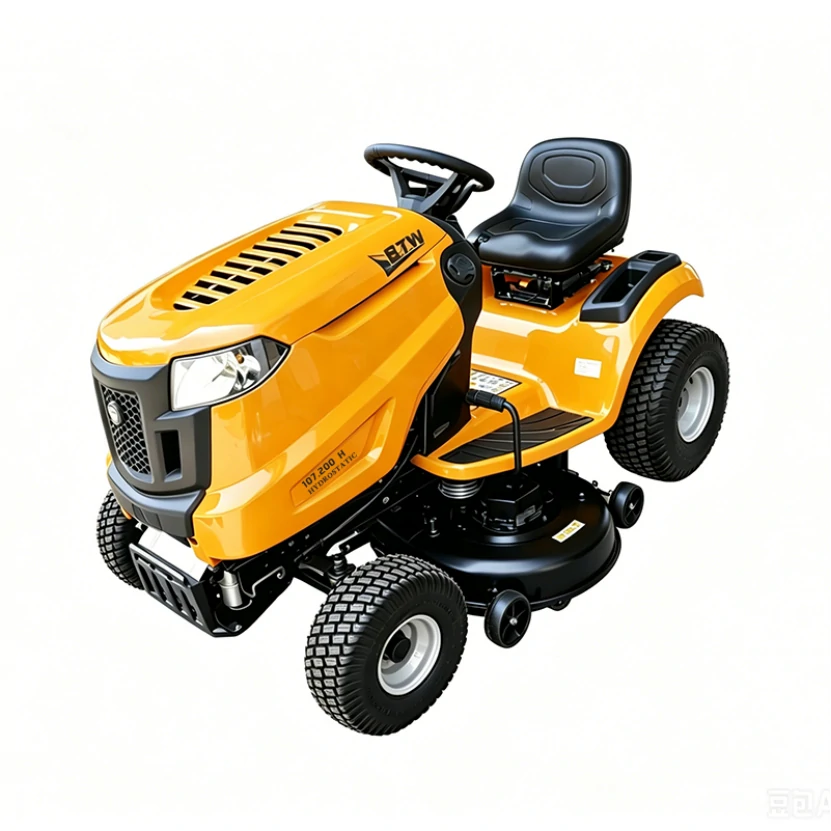
Ride-on lawn mowers dominate the industry, holding over 55% of total market share. This category includes zero-turn radius (ZTR) mowers and conventional lawn tractors. High-capacity riding lawn mower models allow operators to maintain expansive acreage in minimal time.
- Zero-Turn Maneuverability: ZTR models rotate 360 degrees on the spot, eliminating uncut grass strips.
- High Ground Speed: Drive speeds often exceed 10 to 12 miles per hour.
- Operator Ergonomics: Premium high-back seating minimizes physical strain during full-day schedules.
- Versatile Attachments: Standard tractors accept pull-behind aerators, spreaders, and utility carts.
Facility managers select ride-on machinery for golf courses, municipal parks, and highway embankments. These units maximize hourly acreage output across unobstructed turf.
Classification by Mowing Method
The cutting mechanism determines the final appearance of the grass and maintenance requirements. Commercial mowers rely on either rotary blades or reel cutting cylinders.
Rotary mowers utilize high-speed horizontal blades to slice grass blades on impact. They handle tall weeds, rough terrain, and hidden debris without severe damage. Maintenance teams appreciate their high fault tolerance and low sharpening costs.
Reel mowers use a scissor-like shearing action between a rotating reel and a fixed bedknife. This precise cut prevents plant stress and grass blade discoloration. High-end athletic facilities and golf courses exclusively employ reel mowers for pristine turf presentation.
| Mower Category | Primary Cutting Action | Ideal Field Application | Maintenance Level | Terrain Fault Tolerance |
| Rotary Mower | High-speed horizontal impact | General parks, roadside turf, mixed weeds | Low to Moderate | High |
| Reel Mower | Precision scissor shearing | Golf greens, athletic fields, fine turf | High | Low |
Table 1: Technical comparison of commercial cutting mechanisms and turf applications.
Looking for durable, commercial-grade mowers tailored to your market requirements? Contact our team today to get a customized quote and technical catalog.
Classification by Power Source and Special Scenarios
Engine type and deck material directly affect operating range, sound levels, and machine weight. Procurement specialists evaluate power platforms based on regional emissions rules and work environments.
- Gasoline Machinery: A heavy-duty gasoline powered lawn mower delivers continuous operational runtime and high torque. Teams quickly refuel these units in the field without waiting for battery recharge cycles.
- Electric Innovations: Adopting a advanced lithium battery lawn mower eliminates direct exhaust emissions. Quiet electric motors allow early morning mowing near commercial offices and residential areas.
- Deck Construction: Selecting a lightweight aluminum lawn mower prevents rust formation from moisture and acidic grass juices.
- Tracked Utility Mowers: Continuous rubber tracks provide superior traction on steep inclines and muddy terrain.
Selecting the right power platform ensures compliance with local noise ordinances and operational targets.
Technical Factors for Fleet Selection
Selecting commercial mowing equipment requires careful analysis of operational parameters. Fleet managers must evaluate long-term operating costs alongside initial purchase prices.
Cutting Deck Width and Construction
Deck width determines hourly mowing capacity. Commercial decks range from 36 inches for narrow gates up to 72 inches for open fields. Heavy-gauge fabricated steel decks withstand continuous impacts from stones and curb edges. Stamped aluminum decks reduce total machine weight while resisting rust.
Engine Horsepower and Hydraulics
Commercial mowers feature high-displacement commercial engines with heavy-duty air filtration. Dual hydrostatic drive systems provide smooth speed control for each drive wheel independently. Quality hydraulic pumps and wheel motors prevent thermal degradation during continuous high-speed cutting.
Maintenance and Fleet Management
Standardized fleet components simplify maintenance schedules and spare parts inventory. Quick-change deck height adjustments allow operators to adapt to target grass species instantly. Easy access to engine oil filters and grease points reduces routine servicing time.
Model Selection Summary
Matching the correct machine configuration to specific terrain parameters ensures optimal productivity:
- Walk-behind units provide essential precision for detail edging and tight restricted zones.
- Stand-on models balance high mowing speeds with rapid mounting for mixed-obstacle properties.
- Zero-turn ride-on tractors deliver maximum hourly coverage across large, unobstructed lawns.
- Reel mowers provide ultra-clean cuts required for premium turf and sports fields.
- Battery-powered equipment fulfills strict urban noise limits and environmental zero-emission mandates.
Frequently Asked Questions
What makes zero-turn mowers faster than traditional tractors?
Zero-turn mowers control each rear wheel independently using hydraulic drive systems. Operators turn the machine instantly without wider turning radiuses, eliminating extra trimming passes.
How do I choose between gasoline and electric commercial mowers?
Gasoline models provide continuous runtime for remote sites without charging infrastructure. Electric models lower fuel costs and reduce operating noise for urban work zones.
Why do commercial cutting decks use thick fabricated steel or aluminum?
Thick fabricated steel withstands constant impacts from roots, rocks, and curbs. Aluminum prevents chemical corrosion caused by acidic grass clippings and lawn moisture.
What maintenance tasks are most critical for commercial mowers?
Daily maintenance includes cleaning air filters, checking hydraulic fluid, and sharpening cutting blades. Sharp blades reduce engine load and promote healthier grass growth.
Can zero-turn mowers operate safely on steep slopes?
Zero-turn mowers require cautious operation on inclines exceeding 15 degrees. Operators should utilize specialized walk-behind or tracked mowers for steep slope stability.
About Xinghu
Relying on mature quality control and advanced manufacturing capacity, Xinghu produces commercial garden power tools meeting international standards. Our comprehensive line includes durable gasoline and battery-powered commercial mowers engineered for long-term reliability. Xinghu empowers commercial clients, groundskeeping professionals, and global distribution partners with high-performance power equipment solutions.